
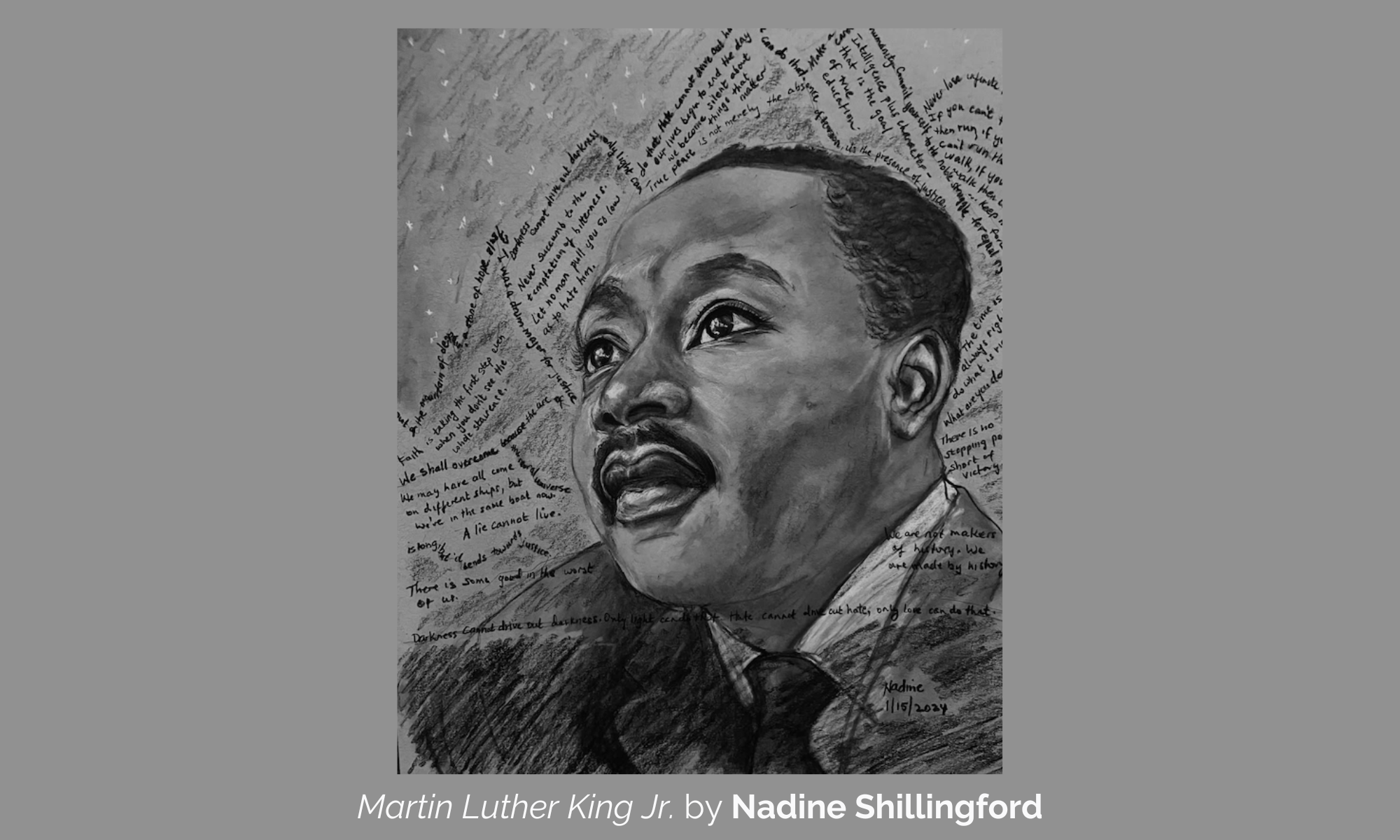
It was right after George Floyd, and I was chairing my kids’ school’s yearly art show. It was during COVID, so we were meeting over Zoom. We had decided on the artist line-up for the coming fall, but something bothered me. I was afraid to say it, but right before we were about to move on to what was next on the agenda, the words awkwardly fell out of my mouth:: “Do you think we need to add more African American, I mean, Black artists?”
A couple of people gave me a thumbs up, and the meeting continued. My kids’ school prides itself on being diverse, but when I looked at the artists from that year and years past, the group of sixty-some artists did not reflect the student body. I wondered if this art show I loved felt very different to people who did not see themselves in the hundreds of artworks on display. Anyone can love any kind of art, but there is an undeniable pull we feel when we see ourselves reflected in it.
And yes, I was one of those white women who in this moment, and others, felt embarrassed for considering myself so open-minded.
To be fair, I grew up in Hillsboro Village in Nashville and in those days, we used the word “melting pot”, which is exactly what it was. The family next to me was interracial; on the other side, my best friend and neighbor Chantal’s parents had moved recently from France, and a family down the street from the Soviet Union. There was an Irish family diagonally across from my house. I was a tomboy in my younger years, and one day, when my new friend realized I was actually not a boy, he said in his Irish accent, “You mean you’re a gurl?”
I went to the same school as my kids, but in those days, what stood out was the high school kids who were allowed to smoke across the street. The school was diverse in those days too, but it was more subtle. The seams in this K-12 bubble seemed more invisible than now. It was a small, good school with nice families and that’s really exactly what it was—it’s hard to replicate this kind of community in a bigger, richer, trendier Nashville.
After the thumbs up at the Zoom meeting, I immediately sought out Black artists, and am happy to say this art show has continued to include more artists of other races and cultures. Please know, this is not because of me in a heroic way. Because I like to be liked, and I prefer to look like I belong, I came so close to not saying anything, and that was a side of myself I had never seen so clearly.
When I opened Art Beat, I knew I wanted it to be a place that felt comfortable to anyone who walked in our doors. But my definition of comfort had now changed. I wanted more than a comfy couch or good music; I wanted everyone who walked into Art Beat to see themselves in the art—I wanted the words, faces, and images to reflect to them the importance of their personhood, family, community, and culture. I wanted it to be a place where belonging was immediate.
It was a turning point in the US when the word ‘woke’ became political fodder. It had significant meaning for decades in Black culture. I admit, I did not know that history at first, but I started paying attention when I noticed people like myself who had been reflective and horrified by injustice suddenly become ashamed of the label. Words can become cringey over time—like ‘awesome’ or ‘rad’—cringey is one thing, shame is another. Shame erases, and aggressively wrongs.
All I know is that in some ways, the neighborhood I grew up in felt more right to me than any other place I have known. More than any other word I know, belonging is what I like to strive for—for myself and for others. As I work on building this new chapter of Art Beat, I set my sights on this vision. It is still evolving, and I am looking for a wide range of stories to be told and people to be seen.
Please forgive me ahead of time, as I am sure I will not do this perfectly. I will say the wrong words. I will turn artists away because that is the nature of this business. And truthfully, it is an awkward business in many ways: pretending to know what good art is, standing next to a stranger at a show with no idea what to say, asking how much it costs, and feeling like there is something we are lacking in this highly elevated, but often very undervalued world of art. We all belong to creativity, and that seems like a good place to end.
Thank you for reading my humble reflections on this very important day honoring Martin Luther King, Jr.
“Injustice anywhere is a threat to justice everywhere. We are caught in an inescapable network of mutuality, tied in a single garment of destiny. Whatever affects one directly, affects all indirectly.” — Martin Luther King Jr.